Posts

Showing posts with the label baby food

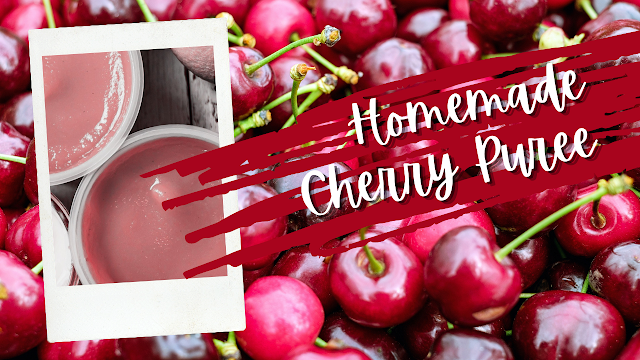
Cherry Baby Food Purée | Organic Homemade Baby Food | First Foods
Image
Follow along to learn how you can easily make your baby's cherry puree from your kitchen. You can choose to steam cherries, boil in a sauce pan or use an instapot.  Cherries are an excellent source of fiber and vitamin C. Adjust the liquid content to suit your desired consistency for your baby. Cherries are great for making a puree that works well for introducing a single food or adding a touch of sweetness to your combined baby food purées. By making your own baby food, you know exactly what goes into it and can avoid preservatives. We are choosing to start adding in purees at 6 months, but talk to your doctor to decide when to introduce foods into your baby's diet.  For our homemade baby food, we are using organic produce to avoid any pesticides or other chemicals being added to our baby's puree. By buying fresh fruit when it is in season, you can save money on your baby food as well as getting the highest nutritional content. Frozen cherries and dehydrated cherri...
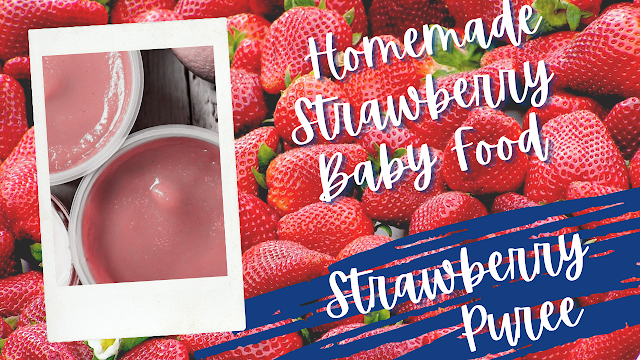
How to Make Strawberry Purée | DIY Baby Food

Image
Strawberries are great for making a super quick puree that works well for introducing a single food or adding a touch of sweetness to your combined baby food purées. By making your own baby food, you know exactly what goes into it and can avoid preservatives. We are choosing to start adding in purees at 6 months, but talk to your doctor to decide when to introduce foods into your baby's diet. For our homemade baby food, we are using organic produce to avoid any pesticides or other chemicals being added to our baby's puree. Ideally, we would grow our own, but that adds a whole lot of work to this simple process. By buying fresh fruit when it is in season, you can save money on your baby food as well!  Start by rinsing well. If you're not using organic consider doing a short baking soda soak.  Cut off any bruised or overly ripe. You'll also cut off the greens and core the strawberries. Rough chop your strawberries.  Either boil (cook down) your strawberries without ad...

Hobby Grain Milling Part 2

Image
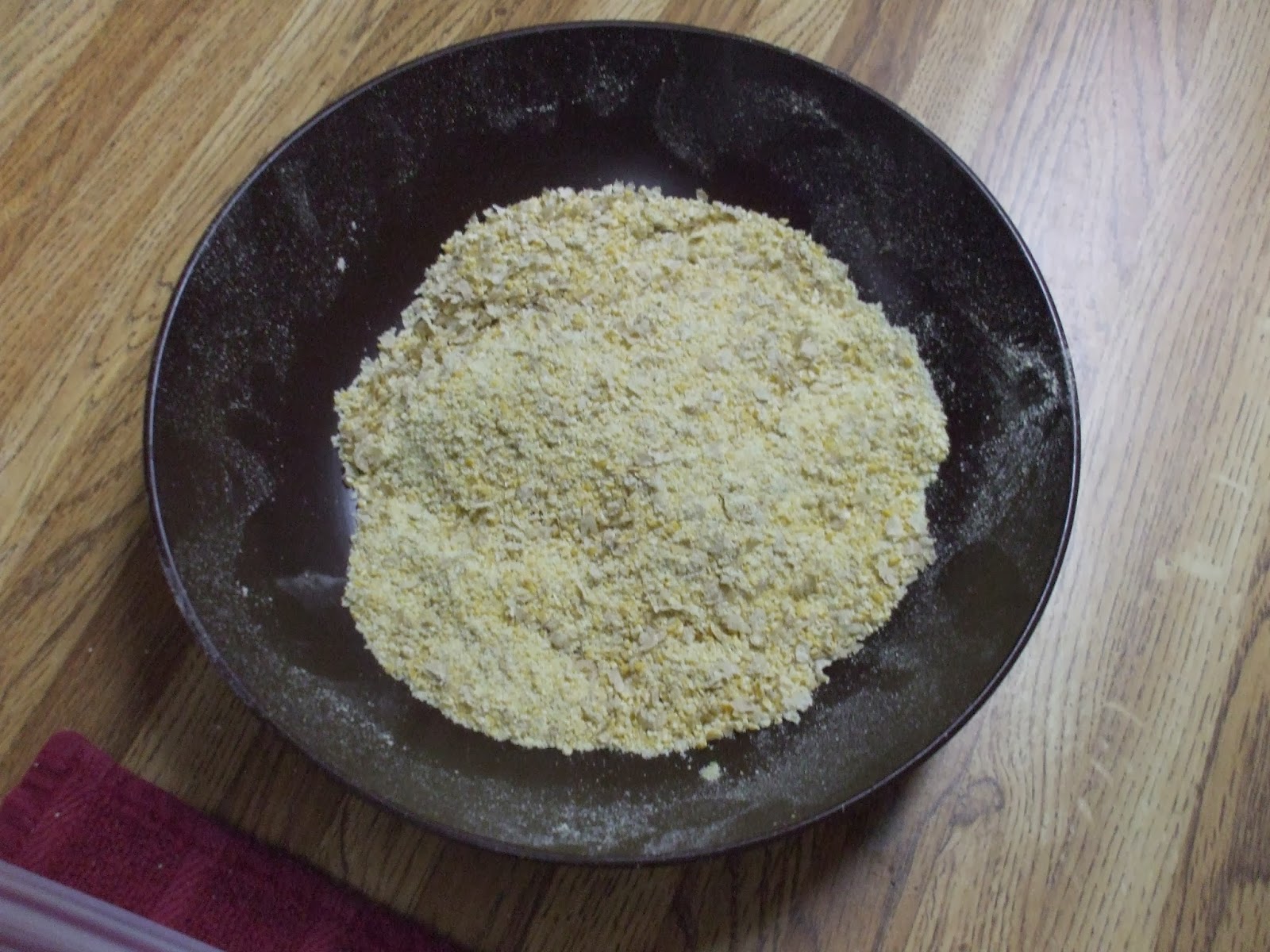
This post is a continuation of the previous post Hobby Grain Milling in which some of the ideal characteristics of a good grain mill were described. Our topic for today is the actual milling/grinding process. The first step is to aquire your feedstock or whole grains, these can be essentially any seed grain but a few of my favorites are red wheat, rice, black beans, and corn. I recommend purchasing at least 10 lbs of grain before doing any milling to minimize clean up efforts and produce a good quantity of flour. Chickpea (Garbonzo Bean) Flour Begin by loading the hopper on your mill and set the clearance on the grinder head. The clearance or gap between the grinding disks essentially controls the final quality of the flour as well as the efficiency of the mill. Your initial clearance will vary by grain type but I recommend an initial setting of approximately half the diameter of the selected grain.  This ...

Hobby Grain Milling

Image
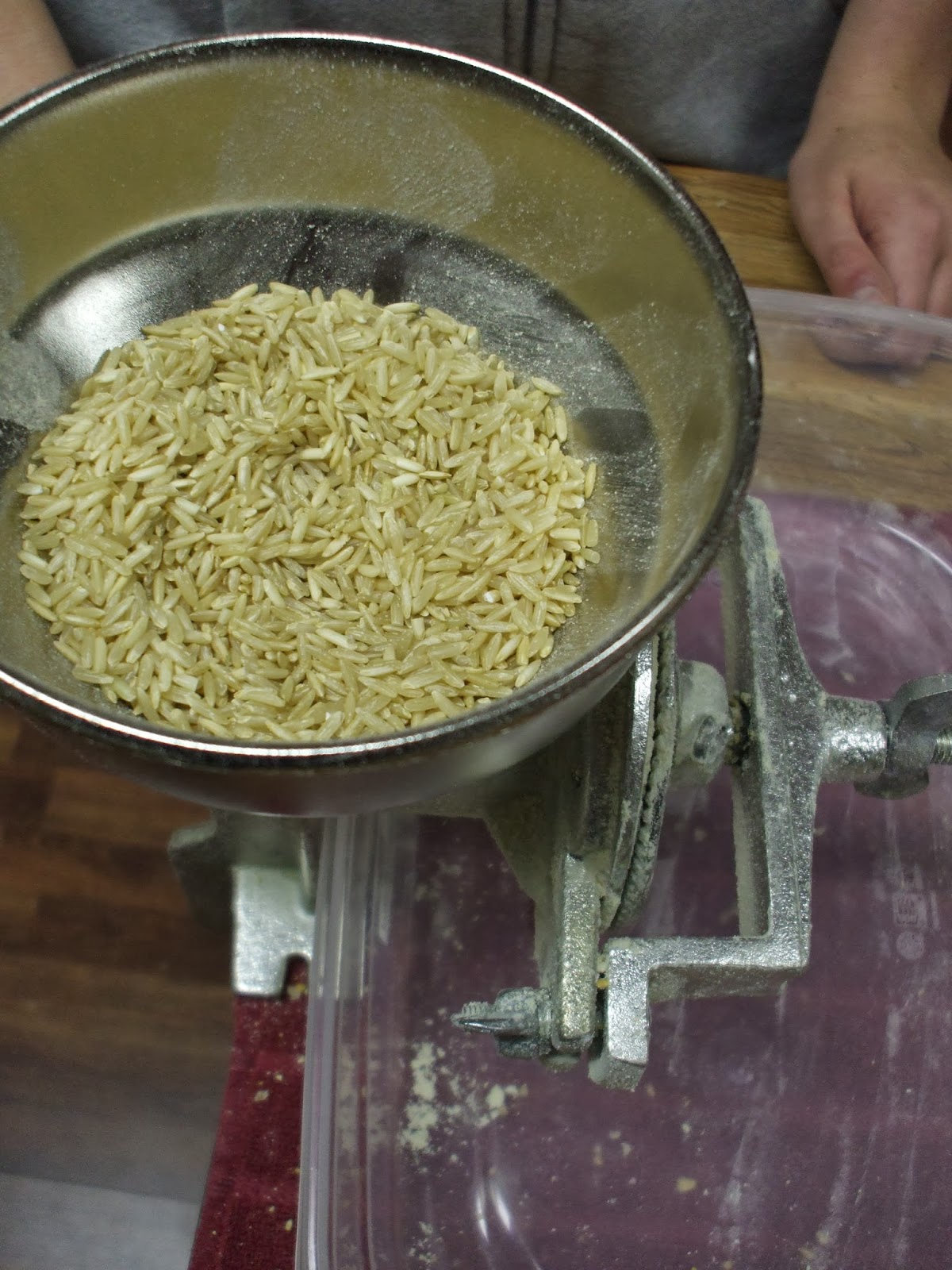
Hello All, I received a hobby grain mill for my birthday recently and got to test it out this last weekend. This post will hopefully be one of many as I experiment with grinding my own grain flour. With any luck you will be able to pick up a few pointers and benefiting from this healthy option.         Grain Mill with Rice THE MILL:Obviously the most important piece of equipment in this operation, and subsequently will have the most influence on the quality of your grain flour. A grain mill can range in price from tens to hundreds of dollars, be hand/human powered or even equipped with an electric motor. My grain mill is one of the cheaper models made and can be found on Ebay for around $25 - $30. Unless you already have experience with grinding your own grain flour or wish to use the flour on a commercial level, I would strongly recommend you purchase the cheapest cast iron hand powered mill available. A fe...